

TL;DR
Diabetic travelers can legally carry insulin coolers on all major U.S. airlines under TSA medical device exemptions. The 3-1-1 liquid rule does not apply to medically necessary liquids for diabetes management. TSA requires passengers to declare insulin coolers at security checkpoints, and the devices typically undergo additional screening. International travel requires a doctor’s prescription and a medical necessity letter. Keep insulin between 36°F and 46°F (2°C and 8°C) during flights exceeding 8 hours by using phase change material coolers or pre-frozen gel packs. Always carry documentation and verify airline policies before traveling.
Traveling with diabetes presents unique challenges that require careful preparation, particularly when crossing time zones and navigating airport security. For diabetic patients who depend on insulin, maintaining proper medication temperature is not just a matter of convenience—it is a medical necessity that directly impacts health outcomes. This comprehensive guide explores the regulations, policies, and practical considerations that make insulin cooler boxes essential travel companions for millions of diabetic passengers worldwide. Whether you are a frequent business traveler or planning your first international trip since diagnosis, understanding these requirements will help you navigate airports with confidence and ensure your insulin remains potent throughout your journey.
Insulin is a temperature-sensitive biological product that loses potency when exposed to heat above 86°F (30°C) or freezing temperatures below 32°F (0°C). Standard coolers that rely on simple insulation or standard ice packs cannot maintain the precise temperature range required for insulin storage. The degradation process is gradual and often imperceptible to users, meaning compromised insulin may appear normal but deliver reduced therapeutic effect. This poses significant risks for diabetic travelers, including unexplained blood glucose fluctuations, diabetic ketoacidosis, and emergency medical situations in foreign countries. Therefore, investing in a properly certified insulin cooler box is not merely a convenience—it is an essential safety measure for anyone managing diabetes while traveling.
For product teams developing this category, Aisberg’s insulin cooler boxes and medical travel coolers should be evaluated specifically around this temperature-control requirement rather than treated as ordinary consumer cooler products.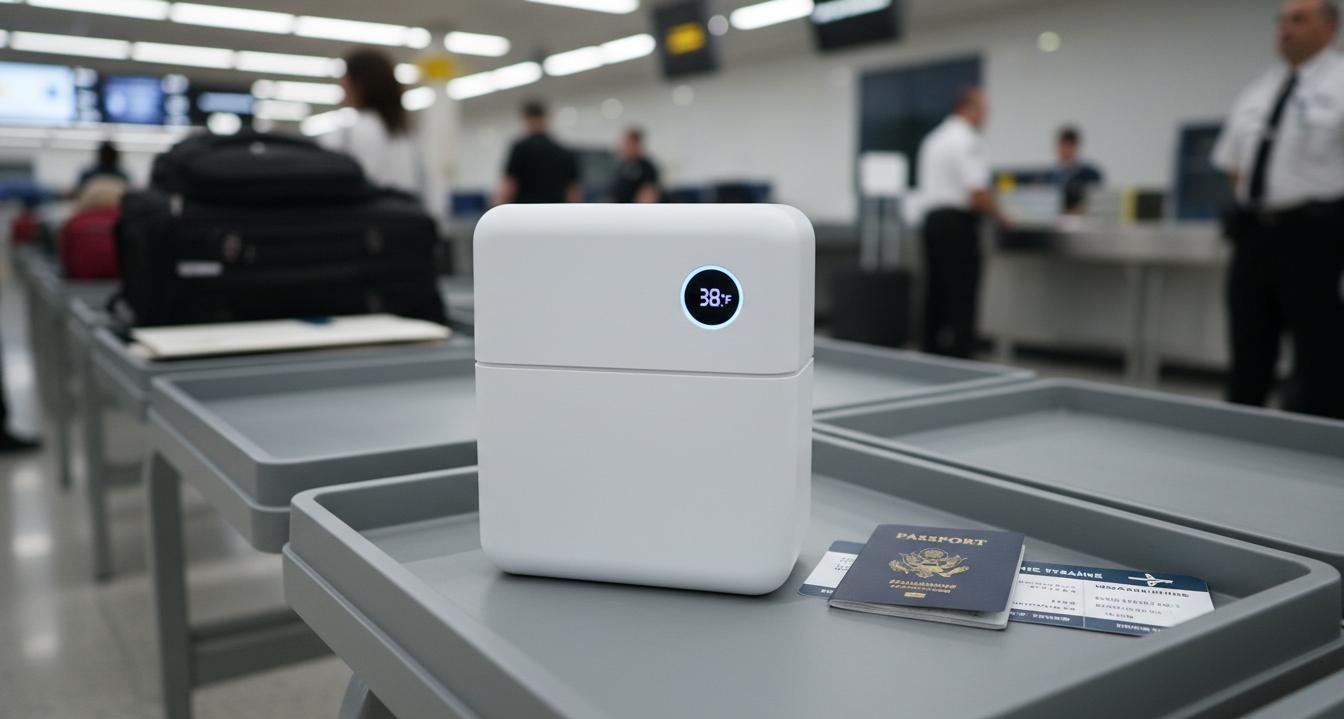
Why Diabetic Travelers Face Unique Challenges That Standard Coolers Can’t Solve
Diabetic travelers face temperature regulation challenges that standard coolers cannot adequately address because insulin requires precise storage between 36°F and 46°F (2°C and 8°C), while standard coolers fluctuate beyond this range. Regular consumer coolers, even those marketed as insulated lunch boxes or travel bags, use basic foam or fabric insulation that provides only moderate temperature protection. When ambient temperatures exceed 77°F (25°C), as they often do in airport terminals and aircraft cabins, internal temperatures in standard coolers can rise above safe thresholds within 2 to 4 hours. This temperature range is critical because insulin molecules begin denaturing at temperatures above 86°F (30°C), progressively losing their biological activity. The degradation is cumulative and irreversible, meaning previously heated insulin will never recover its full potency, even if subsequently cooled.
The unique physiological demands of diabetic travelers compound these challenges significantly. Unlike casual travelers who might carry a cool drink for a few hours, diabetic patients must ensure continuous temperature control for insulin that may be needed at unpredictable intervals throughout a journey potentially spanning 24 hours or more. Standard ice packs melt at 32°F (0°C), creating a cooling environment that is actually colder than optimal for insulin storage. The repeated thermal cycling that occurs as ice packs melt and refreeze can cause additional damage to insulin molecules through freeze-thaw stress. Furthermore, diabetic travelers must often carry multiple pens or vials to account for possible damage, site failures, or extended travel durations, multiplying the stakes of improper temperature management.
Because standard coolers lack temperature monitoring capabilities, travelers using these devices have no way of knowing whether their insulin remains within safe parameters. Most diabetic patients discover temperature problems only when they experience unexpected blood glucose readings or, worse yet, suffer diabetic emergencies abroad. The International Diabetes Federation has documented numerous cases of insulin degradation during travel, with patients requiring emergency medical intervention upon arrival at their destinations. Therefore, diabetic travelers must abandon the notion that standard food coolers provide adequate medication protection. Investing in purpose-built insulin cooler boxes with certified temperature maintenance capabilities is the only way to ensure reliable insulin potency throughout travel.
Therefore, diabetic travelers should prioritize insulin-specific cooling solutions that maintain the narrow temperature window required for medication integrity. The additional cost and luggage consideration is minimal compared to the potential health consequences and medical expenses that can arise from compromised insulin therapy. This is why healthcare providers specializing in diabetes management increasingly recommend certified insulin travel coolers as essential equipment for any diabetic patient planning air travel, particularly on flights exceeding 4 hours or crossing multiple time zones.
TSA Medical Device Exemptions: What Insulin Users Are Legally Allowed to Carry On
TSA medical device exemptions allow insulin users to carry insulin coolers in carry-on luggage without quantity restrictions, as the 3-1-1 liquid rule does not apply to medically necessary liquids for diabetes management. The Transportation Security Administration recognizes insulin and associated medical supplies as essential medical devices under the Air Access Program and related guidelines. This means diabetic passengers are permitted to bring insulin delivery devices, blood glucose monitors, test strips, and cooling equipment through security checkpoints without the standard liquid limitations imposed on other carry-on items. The Americans with Disabilities Act (ADA) provides legal foundation for these accommodations, ensuring that passengers with diabetes are not disadvantaged by standard security protocols designed for general population screening.
When passing through TSA security checkpoints, diabetic passengers should declare their medical supplies proactively. The recommended approach involves informing the TSA officer at the beginning of the screening process that you are carrying insulin and a cooling device. This declaration allows the officer to make appropriate accommodations and ensures the additional screening process proceeds smoothly. Passengers should expect their insulin cooler to undergo visual inspection or swab testing for explosives residue, but physical handling of the device should be minimized. Officers are trained to handle medical devices with appropriate respect for passenger privacy and hygiene concerns.
Travelers and procurement teams can cross-check this handling process against the TSA medical equipment guidelines and American Diabetes Association travel resources when preparing user instructions or product packaging copy.
The specific items permitted under TSA exemptions extend well beyond insulin itself. Diabetic passengers may carry unlimited quantities of insulin in various forms, including vials, cartridges, and pre-filled pens. Glucose tablets and fast-acting carbohydrates are permitted without limit as they are recognized as medically necessary treatments for hypoglycemia. Lancets and blood glucose testing devices are permitted, though standard finger-stick devices may undergo additional screening. Extra batteries for glucose monitors and insulin pumps are allowed in carry-on luggage, and there is no limit on the number of spare batteries travelers may carry for essential medical equipment. This comprehensive allowance reflects the TSA’s recognition that diabetes management requires multiple coordinated supplies.
Because TSA exemptions apply to all passengers demonstrating legitimate medical need, documentation is helpful but not always required. However, carrying a prescription or a letter from your healthcare provider significantly smooths the checkpoint experience. The prescription should clearly identify you as the patient, list your prescribed insulin types, and provide contact information for your prescribing physician. This documentation becomes particularly valuable when traveling with unusual insulin types or devices that may attract additional scrutiny. In rare cases where officers have questions, having proper documentation immediately resolves concerns and minimizes delays.
Therefore, diabetic travelers should confidently approach TSA security knowing that their insulin coolers and supplies are fully permitted under federal regulations. The key is proper declaration, appropriate cooperation during secondary screening if requested, and carrying documentation as a best practice. With these simple preparations, the security process should proceed smoothly, allowing you to board your flight with confidence that your medication remains properly protected.
Airline Carry-On Policies: How Each Carrier Treats Insulin Coolers Differently
Major airlines generally permit insulin coolers in carry-on luggage as medical devices, though specific policies vary regarding documentation requirements and storage accommodations during flight. Understanding these carrier-specific policies before travel helps prevent last-minute complications and ensures appropriate arrangements for medication storage throughout your journey. While all U.S. carriers follow TSA guidelines as a minimum standard, international airlines and regional carriers may have additional requirements or recommendations that travelers should be aware of before arriving at the airport.
American Airlines has implemented diabetes-friendly policies that actively support passengers requiring insulin and cooling equipment. The airline permits insulin coolers in carry-on luggage and offers priority boarding for passengers with medical needs, upon request at the gate. This priority boarding allows additional time to store medication properly and confirm that overhead bin space is available. American Airlines also recommends that diabetic passengers inform flight attendants upon boarding about their insulin storage needs, particularly for longer flights where cabin temperature variations may occur.
Delta Air Lines similarly permits insulin coolers as part of cabin baggage and encourages passengers to declare their medical equipment at the gate. Delta’s accessibility services include assistance with stowing medical devices, and their flight attendants receive training to support passengers with diabetes. The airline explicitly states that insulin and associated supplies are permitted without quantity restrictions in carry-on luggage, consistent with TSA guidelines. United Airlines follows nearly identical policies, with an emphasis on carrying documentation for international routes where customs regulations may require proof of medical necessity.
British Airways permits insulin coolers on all flights and provides detailed guidance for diabetic passengers on their website. The airline recommends that insulin be carried in the original prescription packaging when possible and that passengers carry a letter from their healthcare provider confirming the medical necessity of their cooling device. European carriers including Lufthansa, Air France, and KLM follow similar guidelines consistent with EU Medical Device Regulation requirements. These carriers require that insulin coolers meet CE marking standards for medical devices when carried as checked baggage, though carry-on policies are more flexible.
Budget carriers such as Spirit Airlines, Frontier Airlines, and Ryanair have historically had more restrictive policies regarding medical equipment, though all now comply with basic TSA and EASA requirements. Travelers on these carriers should verify policies at least 48 hours before travel and may want to obtain written confirmation via customer service channels. Some budget carriers limit carry-on bag size in ways that could affect larger insulin cooler boxes, so confirming dimensional compatibility before booking is advisable.
Therefore, travelers should research their specific airline’s current policy before traveling and contact the carrier directly with questions if their insulin cooler model seems unusual or if they are traveling with multiple devices. Documenting these policies in writing provides protection in case of gate disputes, and having this documentation available demonstrates good faith compliance with carrier requirements.
International Travel Considerations: EU vs US vs Asia-Pacific Insulin Carry Regulations
International insulin carry regulations vary significantly by region: the US follows TSA guidelines permitting unlimited insulin in carry-on bags, the EU maintains consistent policies under the Medical Device Regulation, and Asia-Pacific countries have varying requirements that travelers should verify before arrival. Understanding these regional differences is essential for diabetic travelers planning international trips, as non-compliance can result in medication seizure, fines, or denial of entry. Each region approaches diabetes management differently, reflecting local healthcare philosophies, regulatory frameworks, and enforcement priorities.
In the United States, the Transportation Security Administration provides the primary regulatory framework, with insulin and associated supplies permitted in carry-on luggage regardless of quantity. The Food and Drug Administration (FDA) oversees medication quality standards, and travelers arriving from international destinations should be aware that personal medication imports are generally permitted for 90-day supplies when properly declared. The Americans with Disabilities Act ensures non-discrimination in public accommodations, including air travel, creating legal protections for diabetic passengers that extend beyond TSA guidelines. Canada follows similar policies under its own transportation security authority, with Health Canada providing guidance on medication imports for personal use.
The European Union maintains consistent regulations across all member states under the EU Medical Device Regulation (EU MDR 2017/745). This regulation classifies insulin cooler boxes as medical devices when intended for temperature-controlled insulin storage, requiring CE marking for commercial sale within the EU. However, personal use imports are treated more flexibly, and travelers carrying insulin for personal medical needs are generally permitted to bring their established cooling devices without special authorization. The EU treats insulin as a prescription medication, and travelers should carry documentation from their healthcare provider, though enforcement varies by country. When traveling between EU countries, standard TSA exemptions effectively apply through mutual recognition agreements.
Asia-Pacific regulations present the greatest diversity and require careful advance research. Japan strictly regulates insulin imports, requiring travelers to obtain advance approval from the Ministry of Health, Labour and Welfare for bringing insulin into the country. The application process typically takes 2 to 4 weeks, and approval is generally granted for legitimate medical needs. Australia permits personal insulin imports for travelers with valid prescriptions, though customs declarations are required. Singapore has particularly diabetes-friendly policies, treating insulin as essential medication with minimal restrictions for short-term visitors. Other Asia-Pacific nations vary significantly, with some maintaining strict pharmaceutical import controls that could affect diabetic travelers carrying cooling equipment.
China has implemented increasingly traveler-friendly policies for insulin imports in recent years, with the China Food and Drug Administration permitting personal medication imports for self-treatment under certain conditions. Travelers to China should carry comprehensive documentation and be prepared for customs questions, though outright prohibition is rare for personal-use insulin supplies. India permits personal medication imports for short-term visits but restricts import quantities for longer stays and recommends local procurement.
Therefore, international diabetic travelers should research their destination country’s specific requirements well in advance of travel, allowing sufficient time to obtain any required approvals or documentation. The investment in this preparation pays dividends in smooth customs processing and confidence that your insulin therapy will remain uninterrupted throughout your trip.
Cooler Certification Standards: Which Travel Cases Are Actually TSA-Approved vs Self-Declared
True TSA-approved status requires specific testing and certification under the FDA medical device framework, while most insulin coolers are self-declared as medical accessories without formal government approval designations. Understanding the distinction between certified medical devices and marketing claims is essential for diabetic travelers evaluating cooling options. The TSA does not maintain a formal approval program for insulin coolers, meaning products claiming “TSA-approved” status may be making misleading claims. Instead, travelers should look for independent testing certifications and recognition from diabetes organizations when evaluating cooler options.
The FDA classifies insulin storage and transport devices under its medical device framework, though many consumer products avoid formal FDA review by marketing their products as general insulated containers rather than medical devices. Products that are genuinely FDA-cleared as medical devices undergo rigorous testing for temperature maintenance, material safety, and manufacturing consistency. The CE marking under EU Medical Device Regulation provides similar confidence for products marketed in Europe, indicating compliance with EU safety and performance standards. Independent testing organizations such as Intertek and SGS provide certification services for temperature-controlled medical product storage, offering additional verification beyond self-declared claims.
For medical-grade sourcing, align product claims with FDA insulin information, IATA medical guidance, and Aisberg’s pharmaceutical temperature solutions so travel use, medication stability, and transport documentation support each other.
Third-party validation from diabetes organizations provides more practical assurance than government certifications. The Juvenile Diabetes Research Foundation (JDRF) maintains an online guide to insulin storage products that have been reviewed and recommended by medical professionals and diabetes care specialists. The American Diabetes Association (ADA) similarly provides guidance on travel supplies, though they do not formally endorse specific commercial products. These organization recommendations reflect real-world performance testing in diabetes care settings rather than laboratory conditions, providing more practical confidence for travelers.
Key features distinguishing high-quality insulin travel coolers include independent temperature monitoring capabilities, phase change materials maintaining stable temperatures for extended periods, durable construction with leak-resistant linings, and clear labeling indicating medical device status. The best products provide laboratory test results demonstrating their temperature maintenance performance under various ambient temperature conditions. Look for products that specify continuous temperature maintenance durations for different environmental conditions, not just marketing claims about cooling capacity.
Travelers should be particularly cautious of products making vague claims without supporting evidence. Phrases like “keeps insulin cool” or “ideal for travel” are not certificated claims and may not reflect actual performance under travel conditions. The difference between a certified medical device and a general insulated bag could literally mean the difference between effective diabetes management and a medical emergency in a foreign country.
Therefore, when evaluating insulin cooler options, prioritize products with independent testing certifications, clear temperature performance specifications, and recognition from diabetes organizations. The additional cost of certified products is minimal insurance compared to the potential consequences of relying on inadequate cooling during a long international flight.
Travel Packing Checklist: The 8-Step Protocol for Carrying Insulin Through Airports Safely
Following this 8-step protocol ensures your insulin remains properly protected throughout travel: pre-prepare your cooler, pack strategically, declare at security, store correctly on board, monitor during flight, handle connections properly, and maintain temperature upon arrival. This systematic approach addresses every phase of air travel, from pre-departure preparation through final arrival at your destination. Each step is essential for maintaining insulin potency and preventing travel-related complications that could compromise your diabetes management.
Step 1: Pre-Prepare Your insulin cooler. Two to three days before travel, fully charge digital cooler batteries or pre-freeze phase change materials according to manufacturer specifications. Run a temperature test with the loaded cooler to verify proper function before departing. Clean the cooler interior and verify all components are present, including any spare ice packs or temperature monitoring devices. Confirm that temperature indicators show the correct operating range before packing insulin.
Step 2: Organize Documentation. Gather all required travel documents into a dedicated folder: prescription from your healthcare provider, letter explaining medical necessity for the insulin cooler, travel insurance documentation, Diabetes ID card, and emergency contact information. Make digital copies of all documents accessible via your phone for backup. If traveling internationally, verify that documentation is in English or accompanied by certified translations if required by your destination country.
Step 3: Pack Strategically. Place insulin pens or vials in protective sleeves provided by the manufacturer before placing in the cooler. Layer cooling materials around insulin containers, avoiding direct contact with ice packs that could cause freezing. Include an empty pen or spare vial in case of damage during travel. Pack glucose tablets and fast-acting carbohydrates separately for easy access during flight. Include a backup of insulin in checked baggage as an emergency backup, packed in a separate insulated container.
Step 4: Declare at Security. Present documentation at the security checkpoint and inform the TSA officer that you are carrying insulin and a cooling device. Remove the insulin cooler from your bag for separate X-ray screening if requested. Cooperate with any additional screening requests while maintaining awareness of your belongings. Request a private screening if you are uncomfortable with public inspection of medical supplies.
Step 5: Store Correctly on Board. Once aboard, retrieve your insulin cooler and store it in the seat pocket in front of you or in your personal bag under the seat. Avoid overhead bin storage where temperature fluctuations are more extreme. Do not place the cooler where it might be crushed by shifting luggage. Inform flight attendants that you are carrying insulin if you will need to access it during the flight.
Step 6: Monitor During Flight. Check the cooler’s temperature indicator periodically, particularly for longer flights. Minimize cooler openings to maintain internal temperature. If experiencing any cabin temperature concerns, request assistance from flight attendants. Keep glucose tablets accessible in case of mid-flight hypoglycemia requiring immediate treatment.
Step 7: Handle Connections Properly. At connection points, prioritize retrieving your insulin cooler before checked baggage. Verify that the cooler remains properly closed and temperature indicators remain in range. If connection time exceeds 2 hours, consider obtaining additional ice packs from airport shops before reboarding. Maintain direct supervision of your insulin cooler throughout connection processes.
Step 8: Maintain Upon Arrival. Upon arrival at your destination, immediately transfer insulin to proper storage if your accommodations provide refrigeration. If the destination refrigerator is unavailable, continue using the cooler with fresh ice packs. Verify insulin appearance and clarity before use. Contact local medical supplies if temperature doubt exists, to verify insulin integrity.
Following this protocol dramatically reduces the risk of insulin temperature damage during travel. The investment of time in preparation pays dividends in reliable diabetes management throughout your trip, allowing you to focus on your travel purposes rather than worrying about medication integrity.
Post time: May-20-2026