

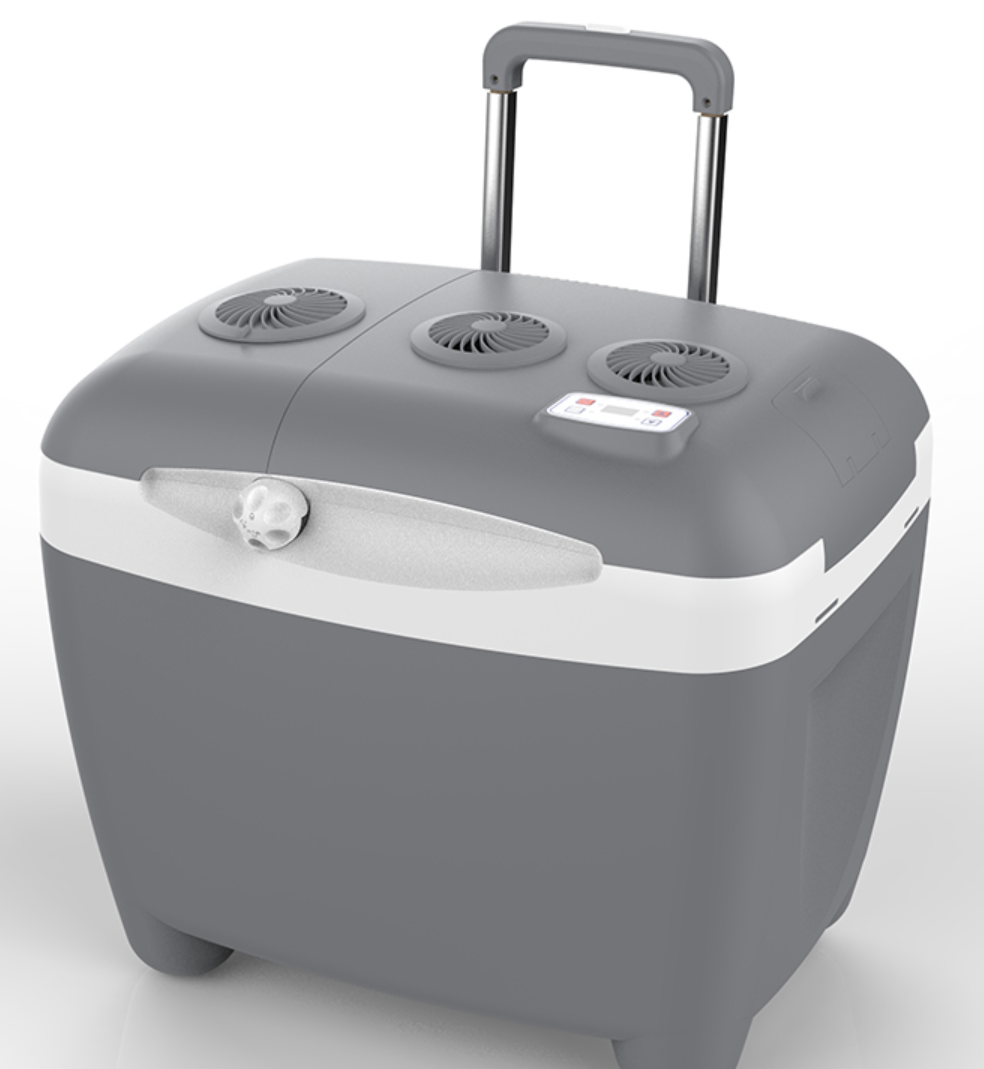
Navigating the complexities of importing mini fridges for B2B purposes into the UK and Spain demands a strategic approach. Businesses face unique challenges in this process. This guide addresses critical regulatory, financial, logistical, and market-specific considerations. These elements are essential for a successful and compliant import operation. Understanding the distinct requirements for each region optimizes the supply chain. It also mitigates risks for mini fridge import UK, Spain B2B. Businesses must grasp these details for effective mini fridge import UK.
Key Takeaways
- Understand the rules for mini-fridges. The UK needs UKCA marks. Spain needs CE marks. Both countries have rules for recycling electronics.
- Know the costs. The UK has its own taxes and a 20% VAT. Spain uses EU taxes and a 21% IVA. These costs change based on where the fridge comes from.
- Plan your shipping carefully. Use sea shipping for big orders to save money. Work with shipping experts to handle paperwork and customs.
- Make sure mini-fridges work in each country. Both the UK and Spain use 230V power. The UK needs a special plug. Spain uses different plugs.
- Offer good customer help. The UK has laws for faulty items. Spain has a two-year guarantee for products. Good service builds trust with buyers.
Regulatory Compliance for Mini Fridge Import UK and Spain
Businesses must navigate distinct regulatory landscapes when importing mini fridges into the UK and Spain. Each region presents specific requirements for product safety, environmental compliance, and documentation. Understanding these regulations ensures smooth customs clearance and avoids potential penalties.
UK Specific Regulations Post-Brexit
After Brexit, the UK established its own regulatory framework. Importers must ensure mini fridges comply with UK product safety standards. This often involves adherence to UKCA marking requirements, which replaced CE marking for goods placed on the Great Britain market. The UK also maintains its own Waste Electrical and Electronic Equipment (WEEE) regulations. These regulations mandate responsible disposal and recycling of electronic products. Businesses involved in mini fridge import UK must understand these specific national rules.
Spain Specific Regulations as an EU Member
Spain, as an EU member state, adheres to comprehensive EU directives. CE marking is mandatory for all electronic products sold in the EU, including mini fridges. This certification indicates conformity with health, safety, and environmental protection standards. Several key directives apply to mini fridges. These include the Low Voltage Directive (LVD) 2014/35/EU, the Electromagnetic Compatibility Directive (EMC) 2014/30/EU, and the RoHS Directive (Restriction of Hazardous Substances) 2011/65/EU.
The EU also implements Directive 2012/19/EU on Waste Electrical and Electronic Equipment (WEEE). This directive aims to protect the environment by promoting reuse and recycling. It places responsibility on manufacturers or distributors for collecting, treating, and recycling these products. Mini fridges fall under WEEE categories like ‘Large equipment’ or ‘Small equipment’ depending on their dimensions. Furthermore, the Green Dot Scheme is mandatory in Spain for packaging. This scheme coordinates the collection, sorting, and recovery of used packaging materials.
Essential Documentation for Both Regions
Importers require specific documentation for both the UK and Spain. A Declaration of Conformity (DoC) is crucial for products entering the EU, including Spain. This document confirms the product meets all applicable EU requirements. The DoC for mini fridges must include the manufacturer’s details, a product description, applicable directives, and a statement of responsibility. For the UK, an equivalent declaration of conformity to UK regulations is necessary. Both regions require comprehensive technical documentation. This includes design specifications, test reports, and user manuals. Standard customs documents like commercial invoices, packing lists, and certificates of origin are also universally essential for international trade.
Tariffs, Duties, and Taxes on Mini Fridge Imports
Businesses importing mini fridges must understand the financial implications of tariffs, duties, and taxes. These costs significantly impact the final price and profitability of products in both the UK and Spain. Proper calculation and planning are essential for successful import operations.
UK Import Duties and VAT Considerations
Importers bringing mini fridges into the UK face specific duties and Value Added Tax (VAT). The UK applies import duties based on the product’s classification under the UK Global Tariff. These duties vary by product type and country of origin. Businesses must correctly classify their mini fridges to determine the applicable duty rate.
The standard VAT rate in the UK is 20%. This rate applies to most goods and services, including household appliances like mini fridges. Importers pay this VAT at the point of entry or through a deferred accounting system. Other VAT rates exist, such as a 5% reduced rate for certain items or a 0% zero rate for others. However, mini fridge import UK typically falls under the standard 20% rate. Businesses can usually reclaim this VAT if they are VAT-registered.
Spain Import Duties and VAT (IVA)
Spain, as a member of the European Union, adheres to the EU’s Common Customs Tariff. This means import duties for mini fridges entering Spain from outside the EU are generally consistent across all EU member states. The duty rate depends on the product’s classification and its country of origin.
Spain’s Value Added Tax, known as IVA (Impuesto sobre el Valor Añadido), applies to imported goods. The standard IVA rate for household appliances, including mini fridges, is 21%. This rate applies to various product categories such as electronics, textiles, machinery, and furniture. Importers pay this IVA upon entry into Spain. Like in the UK, VAT-registered businesses can typically reclaim the IVA paid on imports. Understanding these tax structures is crucial for accurate pricing and financial forecasting.
Logistics and Shipping Strategies for Mini Fridges
Effective logistics and shipping strategies are crucial for successful mini fridge imports. Businesses must carefully plan each step to ensure timely delivery and cost efficiency. This involves selecting the right trade terms, leveraging expert services, and choosing appropriate transport methods.
Choosing Optimal Incoterms for Import
Selecting the correct Incoterms defines responsibilities and costs between buyers and sellers. These terms clarify who handles insurance, freight, and customs at various stages of the journey. For B2B mini fridge imports to Spain, businesses often find “CIF Valencia or FOB China port” to be common Incoterms. CIF (Cost, Insurance, and Freight) means the seller pays for the cost of goods, insurance, and freight to the named port of destination. FOB (Free On Board) means the seller delivers the goods on board the vessel nominated by the buyer at the named port of shipment. Understanding these terms helps manage expectations and financial obligations.
Role of Freight Forwarders and Customs Brokers
Freight forwarders play a vital role in coordinating the entire shipping process. They manage transportation from the origin to the destination, handling bookings, documentation, and tracking. Customs brokers specialize in navigating complex customs regulations. They ensure all necessary duties and taxes are paid and that shipments comply with local laws. Engaging these professionals streamlines operations and minimizes potential delays or penalties. Their expertise is invaluable for both mini fridge import UK and Spanish markets.
Efficient Shipping Methods for Mini Fridges
Businesses typically choose between sea freight and air freight for international mini fridge shipments. Sea freight is often the most cost-effective solution for bulk or commercial quantities. For example, shipping $5,000 worth of inventory by sea freight might cost between $3,000 and $5,000. The same shipment by air freight could incur over $15,000 in shipping costs. This significant difference directly impacts profit margins. An 85 kg shipment might cost $400 by LCL (Less than Container Load) via ocean freight, while air freight could cost $600. Air freight offers faster transit times but comes at a much higher price. Businesses generally reserve air freight for urgent or high-value shipments where speed is critical. For most mini fridge imports, sea freight makes importing such items affordable.
Key Ports of Entry in the UK and Spain
The UK’s network of seaports is crucial for connecting British businesses to international markets. These ports process over 500 million tons of cargo annually. The UK’s maritime infrastructure handles 95% of the country’s international trade volume. More than 120 commercial ports exist, varying in size and specialization. Southeastern ports serve European routes. Western ports handle transatlantic trade. This ensures robust global trading relationships.
The Port of Felixstowe is the UK’s largest container port. It handles nearly half of the nation’s container traffic. Located in eastern England, it processed 3.3 million TEU in 2023. Key commodities include consumer goods, machinery, and food. The Port of Southampton is another significant gateway for UK imports, especially from Asia. It handled 1.8 million TEU in 2023. The Port of London is an important trading hub along the River Thames. It processed 3.2 million TEU in 2023 and 51.6 million tons of cargo. The Port of Liverpool is crucial for trade with the Americas and Ireland. It has an annual container throughput of 900,000 TEU.
Spain also boasts a robust port system. Various ports like Barcelona, Cartagena, Algeciras/Cádiz, Castellón, Coruña/Ferrol, Valencia, Bilbao, Alicante, and Huelva serve as entry points for commercial goods. They trade with countries such as Greece, Ireland, Morocco, Belgium, Bulgaria, France, Italy, Netherlands, and the United Kingdom. The Port of Valencia is the busiest port in the Mediterranean. It is a central hub for Spain’s global trade. Key commodities include agricultural products, machinery, and chemicals. The Port of Algeciras is a major transshipment hub connecting Europe to Africa and the Americas. The Port of Barcelona is a leading logistics hub with strong connections to Asian markets. It handles textiles, electronics, and chemicals. The Port of Bilbao is vital for trade with the UK and Northern Europe. It specializes in industrial goods and heavy materials.
Local Warehousing and Distribution Networks
Establishing efficient local warehousing and distribution networks is essential for B2B mini fridge imports. These networks ensure timely delivery to customers across the UK and Spain. Strategic placement of warehouses reduces transportation costs and shortens lead times. This allows businesses to respond quickly to market demands. Effective warehousing also helps manage inventory levels. It prevents stockouts and minimizes holding costs. A well-organized distribution system ensures products reach their final destinations efficiently. This enhances customer satisfaction and supports business growth in both regions.
Market Demands and Product Adaptation for Mini Fridges
Businesses must adapt mini fridges to meet specific market demands in the UK and Spain. This includes technical specifications, design preferences, and marketing approaches. Understanding these nuances ensures product relevance and market success.
Power Requirements and Plug Types
Importers must ensure mini fridges comply with local electrical standards. In the United Kingdom, the standard electrical voltage is 230V, and the frequency is 50Hz. The most common plug type used in the United Kingdom is the BS 1363. People often refer to it as a ’13 amp plug’ or ’13 amp socket’. Spain also uses a standard electrical voltage of 230V and a frequency of 50Hz. Spain utilizes both Type C and Type F plug types. The Type F plug, often called a Schuko plug, adheres to CEE 7/4 and CEE 7/7 standards. Type C electrical plugs are also common in Spain. They have variations like 10 Amp 250 V and 2.5 Amp 250 V Europlugs.
| Country | Voltage (V) | Frequency (Hz) |
|---|---|---|
| UK | 230 | 50 |
| Spain | 230 | 50 |
Design and Feature Considerations by Sector
Different sectors require specific mini fridge designs and features. For the hospitality sector in the UK, businesses often prefer smart minibars and health-focused innovations. They look for automated inventory tracking and billing systems. Minibars with antimicrobial surfaces and smart sensors for food freshness also appeal to this market. Technologically advanced and health-centric minibar solutions meet modern guest expectations. Retail and office environments might prioritize energy efficiency and compact designs.
Localizing Brand Perception and Marketing
Localizing brand perception and marketing strategies is crucial for market penetration. Businesses must tailor their messaging to resonate with UK and Spanish consumers. This involves understanding cultural preferences and language nuances. Effective marketing campaigns highlight features most valued by each market segment. A strong local brand presence builds trust and drives sales.
After-Sales Support and Warranty Compliance
Businesses importing mini fridges must establish robust after-sales support and ensure compliance with warranty regulations. This commitment builds customer trust and fulfills legal obligations in both the UK and Spain.
In the United Kingdom, the Consumer Rights Act 2015 primarily governs consumer legal rights for faulty goods. These statutory rights exist separately from commercial warranties provided by manufacturers. Manufacturers are not legally obligated to provide a product warranty. However, if a manufacturer offers one, it becomes legally binding. The Act focuses on consumer protection when goods are faulty. It outlines remedies such as the right to reject goods within 30 days or seek repair or replacement after 30 days. The Consumer Rights Act 2015 implements the Consumer Sales Directive (Directive 1999/44/EC) into UK law. This directive establishes a minimum level of protection for consumers purchasing goods. The legal guarantee always lies with the company of purchase, not necessarily the manufacturer. Companies cannot lower legal rights or obligations through terms and conditions.
For mini fridges in Spain, businesses must comply with EU consumer protection directives. These directives mandate a minimum two-year legal guarantee for the conformity of goods. This ensures consumers receive protection against defects. While specific Spanish laws like the ‘Ley de Ordenación de la Edificación’ (LOE) detail extensive guarantees for new-build properties, these provisions do not apply to consumer goods such as mini fridges. Instead, general EU consumer law governs warranties for mini fridges in Spain. Businesses must provide clear warranty terms and robust after-sales support. This includes accessible repair services and spare parts availability. Adhering to these standards ensures customer satisfaction and legal compliance in both markets.
Risk Management and Best Practices for Mini Fridge Import
Businesses must implement robust risk management strategies for successful mini fridge import operations. These practices protect investments and ensure smooth supply chains. Proactive measures help mitigate potential disruptions and financial losses.
Supplier Vetting and Quality Control
Thorough supplier vetting forms the foundation of risk management. Businesses must conduct due diligence on potential manufacturers. This includes assessing their production capabilities, quality assurance processes, and ethical standards. Regular quality control checks are essential throughout the manufacturing process. These checks ensure products meet specified standards before shipment. Independent third-party inspections provide an unbiased assessment of product quality. They verify compliance with technical specifications and safety regulations. This proactive approach minimizes defects and returns.
Import Insurance and Liability
Securing appropriate import insurance is critical for protecting goods in transit. Marine cargo insurance covers loss or damage to mini fridges during shipping. This includes risks like theft, accidents, and natural disasters. Businesses must understand the scope of coverage and any exclusions. Clarifying liability with suppliers and freight forwarders prevents disputes. For example, when undertaking a mini fridge import UK, businesses must ensure their insurance covers the entire journey to the final destination. This protects against unforeseen events that can impact profitability.
Contingency Planning for Import Challenges
Businesses must prepare for unforeseen challenges, especially customs delays. They identify potential hold-ups by researching common customs delays specific to target markets. Maintaining a sufficient buffer stock of critical items helps mitigate disruptions caused by clearance delays. Establishing relationships with secondary suppliers ensures material sourcing if a primary shipment faces delays. Businesses should allocate budget for expedited clearance options. They can utilize these options if delays occur. Developing a clear communication strategy keeps stakeholders informed in the event of delays. This proactive planning minimizes the impact of unexpected issues.
Staying Updated on Regulatory Changes
Regulatory landscapes for international trade constantly evolve. Businesses must diligently monitor these changes to maintain compliance and avoid disruptions. Staying informed ensures smooth customs processes and prevents unexpected costs.
For UK regulatory changes, particularly regarding safety and security declarations, businesses can consult official government sources. The UK government provides comprehensive guidance on safety and security requirements for imports and exports. This includes detailed information on Entry Summary Declarations (ENS) for imports. Businesses can find guidelines on how to submit these declarations. HMRC also offers readiness materials, including FAQs and instructions on managing ENS compliance. These declarations will become mandatory for EU imports into Great Britain from January 31, 2025.
The European Commission serves as a key source for EU regulatory updates. For instance, the Ecodesign for Sustainable Products Regulation (ESPR) sets new ecodesign requirements for goods. It also introduces measures like a Digital Product Passport. Businesses can track these developments through the European Commission’s official pages. These regulations directly impact product design and compliance for mini fridges entering Spain.
Businesses also need to track changes in the European Union Combined Nomenclature (CN). This nomenclature affects customs duty rates and the statistical treatment of goods. The European Commission publishes the latest versions of the Combined Nomenclature. Monitoring these updates ensures accuracy in customs declarations. Proactive monitoring of these sources helps businesses adapt their strategies. It ensures continued compliance for any mini fridge import UK or Spain operation.
Successful B2B mini fridge import into the UK and Spain hinges on a thorough understanding of each market’s unique landscape. Proactive planning and strict adherence to specific regulations are paramount for compliance and efficiency. By addressing these key factors, businesses establish robust import operations, minimize risks, and capitalize on market opportunities in both regions. This strategic approach ensures a smooth and profitable venture for mini fridge import UK and Spain.
FAQ
What is the main regulatory difference for mini-fridges in the UK versus Spain?
The UK requires UKCA marking for mini-fridges. Spain, as an EU member, mandates CE marking. Both regions have WEEE regulations for electronic waste.
How do tariffs and VAT differ between the UK and Spain for mini-fridges?
The UK applies its own Global Tariff and 20% VAT. Spain, an EU member, follows the EU’s Common Customs Tariff and charges 21% IVA. Duty rates depend on product classification and origin.
What are the key considerations for shipping mini-fridges to these regions?
Businesses should choose optimal Incoterms, like CIF or FOB. They must engage freight forwarders and customs brokers. Sea freight is typically more cost-effective for bulk shipments.
Do mini-fridges need specific power adaptations for the UK and Spain?
Both the UK and Spain use 230V and 50Hz electricity. The UK requires a BS 1363 plug. Spain uses Type C and Type F plugs. Products must comply with these local electrical standards.
What is the importance of after-sales support in these markets?
Robust after-sales support builds customer trust. The UK’s Consumer Rights Act 2015 governs faulty goods. Spain, under EU directives, mandates a minimum two-year legal guarantee for product conformity.
Post time: Jan-28-2026